
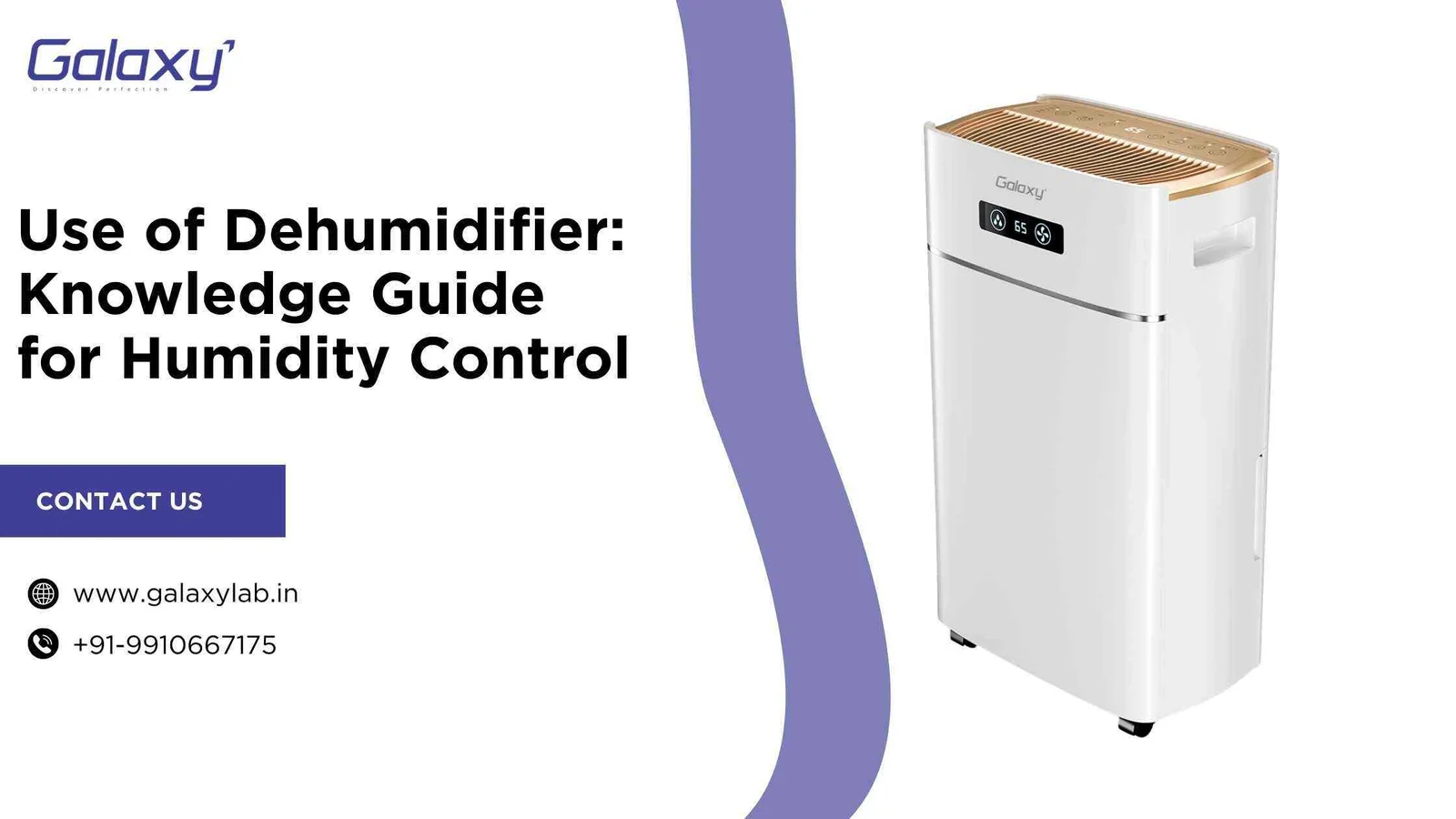
Humidity control is a critical requirement in laboratories, industrial facilities, storage areas, and commercial environments. Excess moisture in the air can lead to corrosion, fungal growth, equipment damage, and compromised product quality. Understanding the use of dehumidifier platforms helps organizations select effective solutions for maintaining optimal environmental conditions.
Understanding the Role of Dehumidifiers
A dehumidifier is a device designed to reduce and maintain humidity levels in enclosed spaces. By extracting excess moisture from the air, it helps create a controlled and stable environment. The use of dehumidifier systems supports applications where precise environmental conditions are essential for safety, quality, and operational efficiency.
Dehumidifiers are especially important in regions with high humidity or in areas where moisture is generated during routine processes.
Importance of Humidity Control in Professional Environments
High humidity can negatively impact both equipment and materials. In laboratories and industrial settings, moisture can interfere with measurement accuracy, damage sensitive instruments, and reduce product shelf life. The use of dehumidifier solutions helps mitigate these risks by maintaining consistent humidity levels.
Why humidity control is essential:
- Prevents corrosion of instruments and machinery
- Reduces mold and microbial growth
- Protects sensitive materials and samples
- Improves comfort and air quality
- Enhances equipment lifespan
Effective humidity control contributes to safer and more reliable operations.
Key Applications of Dehumidifiers
The use of dehumidifier environments spans multiple industries and applications where moisture control is critical.
Common application areas:
- Laboratories and research facilities
- Pharmaceutical and healthcare storage
- Industrial production and assembly units
- Warehouses and material storage rooms
- Electronics and instrumentation areas
In these settings, maintaining optimal humidity levels ensures process stability and product integrity.
Benefits of Using Dehumidifier
Implementing dehumidifiers offers both immediate and long-term advantages. The use of dehumidifier platforms supports efficient environmental management without complex operation.
Key benefits include:
- Improved protection of equipment and materials
- Reduced maintenance and repair costs
- Enhanced process consistency
- Better compliance with environmental standards
- Lower risk of moisture-related damage
These benefits make dehumidifiers an essential part of environmental control systems.
Role in Quality Control and Compliance
Many industries operate under strict environmental guidelines. Excess humidity can lead to non-compliance and quality deviations. The use of dehumidifier systems supports quality control by maintaining controlled conditions required for audits and inspections.
Compliance advantages:
- Helps meet storage and testing requirements
- Supports standard operating procedures
- Improves documentation and environmental stability
- Reduces variability in sensitive processes
Stable humidity conditions contribute to consistent quality outcomes.
How Dehumidifiers Support Equipment Performance
Sensitive instruments and electronic components are highly affected by moisture. The use of dehumidifier environments helps protect these assets by reducing condensation and internal moisture buildup.
Equipment-related advantages:
- Prevents short circuits and electrical faults
- Reduces calibration drift
- Enhances measurement accuracy
- Extends instrument service life
Maintaining a dry environment is critical for long-term equipment reliability.
Advantages of Integrating Dehumidifiers in Galaxy Facilities
The use of dehumidifier facilities supports a proactive approach to environmental management.
Key advantages:
- Continuous moisture control
- Easy integration with existing spaces
- Suitable for long-term operation
- Supports both small and large areas
- Improves overall workplace conditions
These advantages make dehumidifiers a practical investment for humidity-sensitive environments.
Conclusion
Humidity control is an essential factor in maintaining safe, reliable, and efficient working environments. The use of dehumidifier solutions provides effective moisture management across laboratories, industrial units, storage areas, and commercial spaces. By reducing excess humidity, dehumidifiers help protect equipment, maintain product quality, and support compliance with environmental standards. As part of a comprehensive environmental control strategy, dehumidifiers play a vital role in ensuring operational stability and long-term performance.
Contact Us
Website: www.galaxylab.in
Phone No.: +91-9910667175
FAQs
Q1. What is the main purpose of using a dehumidifier?
Ans. A dehumidifier reduces excess moisture in the air to maintain controlled humidity levels.
Q2. Where is the use of dehumidifier most common?
Ans. It is commonly used in laboratories, warehouses, industrial units, and storage areas.
Q3. Does humidity affect equipment performance?
Ans. Yes, high humidity can cause corrosion, electrical faults, and reduced accuracy.
Q4. Can dehumidifiers help with compliance requirements?
Ans. Yes, they support environmental control needed for quality standards and audits.
Q5. Is continuous operation of dehumidifiers recommended?
Ans. Continuous or scheduled operation is often recommended in high-humidity environments.